
Okay, so check this out—I’ve been juggling wallets for years. Whoa! The truth is, most wallets promise a lot. But they rarely deliver the smooth mix of safety, speed, and real-world dApp ergonomics that power users need. My instinct said there had to be a better way, and after poking around Rabby I started to see why people are switching.
At first glance it’s just another multi-chain wallet. Hmm… but dig a little deeper and you hit features that actually matter. The transaction simulation, for example, is not just a shiny checkbox. It gives you pre-flight visibility into gas usage, slippage, and even contract state changes—so you can avoid dumb mistakes. Initially I thought that was overkill, but then I watched a batched trade fail and cost someone hundreds in avoidable gas… and that changed my view.
Seriously? Yes. Simulation isn’t optional anymore. On one hand it adds a tiny bit of friction up front. On the other hand it saves you from catastrophic mistakes that only show up after the fact. Actually, wait—let me rephrase that: the friction is negligible compared to the learnings and safety it provides. This is where a wallet either protects you, or just gives you plausible deniability.
I’m biased, but UX matters more than marketing. Rabby nails the dApp integration layer. It isolates approvals per site, surfaces token allowances clearly, and lets you batch or cancel approvals without fumbling through obscure settings. That part bugs me about other wallets—permissions are often hidden or buried. Here they’re front-and-center, and that changes interaction patterns for the better.
Whoa! There’s another thing—multi-chain handling. Most wallets treat each chain like a separate little app. Rabby treats them like lanes on a highway, letting you switch lanes without losing pace. The wallet’s UI abstracts RPC differences while still exposing advanced controls when you need them. Long story short: it balances simplicity and depth, which is rare.
On the technical side, the wallet implements granular session management. You can allow a dApp to interact for a single action, for a session, or indefinitely—so you get contextual trust rather than the all-or-nothing model. That design reduces long-term attack surface, and it’s very practical for yield farmers or arbitrageurs who hop between protocols. I’m not 100% sure every edge-case is ironclad, but it’s a pragmatic improvement.
Check this out—when you connect to an AMM or lending market, Rabby simulates the call and presents a readable summary of what will happen. You see token movements, contract calls, and an estimated gas burn before you sign. That matters when you’re interacting with complex strategies that chain multiple contract calls together. It makes me think twice about blind signing, and honestly—I’d rather be slow and smart than fast and broke.
There are tradeoffs. Rabby can’t magically make a rug-pull safe. It can’t retroactively save you if you approve an unlimited allowance two months ago and then disappear into the night. But it does put guardrails in place—alerts for suspicious approvals, simple revoke flows, and clearer UX around allowances. Those are the differences between «meh» and «actually useable».
Really? Yep. The built-in simulation alone has prevented me from making two dumb trades this month. Small wins stack up. (oh, and by the way…) The wallet also supports custom RPC endpoints and chain tweaks for power users, so adding a testnet or a L2 is trivial. That flexibility is important when you want to run quick strategies without constantly switching tools.
Here’s a practical scenario: you’re bridging assets, then executing a leveraged position on a lending market, followed by a rebalancing trade. Each step introduces friction and risk. With Rabby you can preview the whole flow, inspect gas and slippage per step, and cancel or adjust allowances before committing. In real-world DeFi, those previews are the difference between profit and loss. My gut feeling said this would be niche, but it’s not—it’s fundamental for ppl doing anything beyond simple swaps.
One more honest note: the wallet isn’t perfect. There are occasional UI polish issues and some features feel very developer-first. I’m ok with that, because I’d rather have powerful controls than a dumbed-down experience. That said, the team moves quickly and community feedback shows up in updates. I’m cautiously optimistic—very very optimistic, actually.
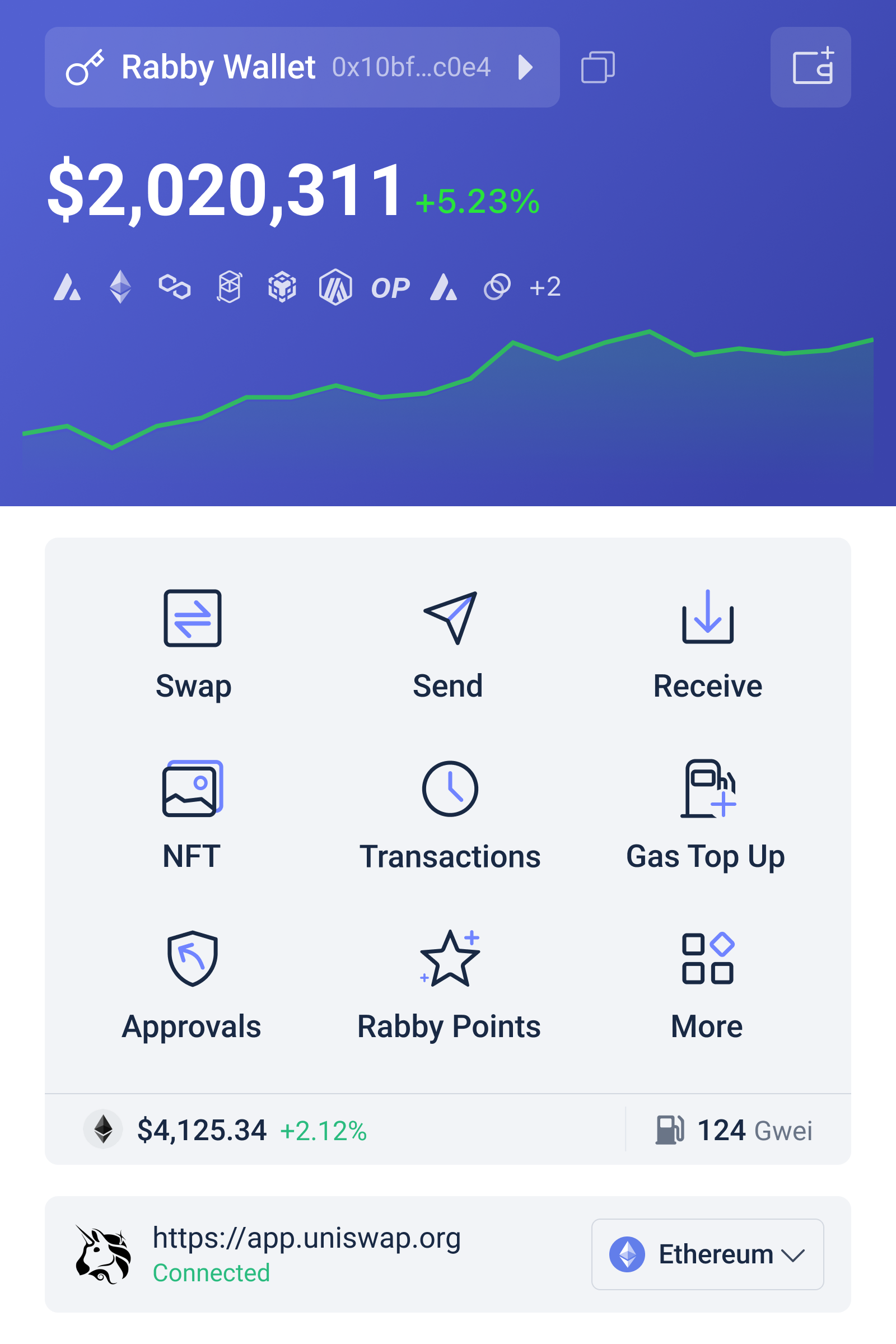
Deeper integration with dApps
Integration isn’t just about connecting. It’s about meaningful context. Rabby injects that context into dApp flows by annotating transactions and grouping related calls. You get a narrative for each transaction, which is huge when interacting with complex protocols. I’m not a fan of opaque blobs of calldata—most people aren’t—so seeing clear, actionable summaries helps build trust.
Whoa! Also: programmatic control. Rabby exposes developer-friendly interfaces while keeping casual users protected by sane defaults. That’s a tough balance to strike. On one hand you want zero friction. On the other hand, you want to avoid catastrophic mistakes. They’ve opted for a middle path that respects both use cases.
Seriously, the allowance management deserves its own shoutout. The revoke flow is quick, detailed, and accessible. You don’t have to be a developer to understand the risk associated with an infinite approval anymore. I’m biased toward wallets that make safety understandable, not just available.
Long-term, I think the most interesting part is composability. Rabby doesn’t silo yourself into a single provider ecosystem. It plays nice across networks and tooling, which is exactly what DeFi needs right now. If you operate on multiple chains, the cognitive load of context switching is real. This wallet lowers that load.
FAQ
Is Rabby Wallet safe for large trades?
It adds strong safety layers like transaction simulation and granular approval controls, which reduce risk. That said, you should still follow best practices: use hardware keys for big balances, double-check contract addresses, and avoid unlimited approvals unless absolutely necessary. For advanced DeFi flows Rabby is a significant upgrade over many alternatives.
How does it handle multiple chains?
Rabby supports many EVM-compatible chains and lets you add custom RPCs. It abstracts the differences but keeps advanced settings accessible so you can tune gas, replay protection, and RPC endpoints when needed. This is ideal for traders and builders who move across L2s and sidechains.
Where can I try it?
Try the wallet directly and explore the transaction simulation and allowance manager—if you care about safer interactions you’ll appreciate it. I used it for a couple of cross-chain flows and the previews saved me time and money. You can find the rabby wallet there.